Chubby Elephant Font for Web Design
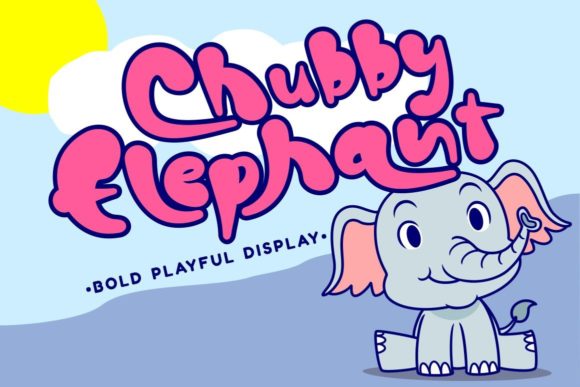
Chubby Elephant is a display font that brings playful energy to digital projects. With its rounded, soft curves and PUA encoded glyphs, it offers designers an accessible way to create engaging visual experiences. As a web designer, I’ve found this font particularly useful for adding character to headers, banners, and brand-focused content without compromising readability.
Visual Characteristics and Digital Appeal
The Chubby Elephant typeface has a friendly, approachable feel with thick strokes and gentle contours. Its design makes it ideal for creating a warm, inviting tone on websites. The PUA encoding allows easy access to swashes and alternate characters, giving you more creative freedom when designing logos, headlines, or decorative elements.
This font’s style works well in both modern and retro-inspired designs. It’s not too bold or overwhelming, making it suitable for various contexts from creative portfolios to boutique online stores. Its versatility helps maintain a consistent brand identity across different platforms and devices.
Using Chubby Elephant in Website Layouts
For hero sections and landing pages, Chubby Elephant can be used as the main headline font. Its playful nature draws attention while still being legible. Pairing it with a clean sans serif font like Helvetica or Arial for body text ensures a balanced and professional look.
In call-to-action areas, using this font for buttons or short phrases can increase user engagement. For example, a coaching website might use Chubby Elephant for a “Start Your Journey” button to create a sense of fun and encouragement.
Online shop banners benefit from this font's charm. A boutique store selling handmade goods could use Chubby Elephant in promotional banners to reflect the brand's personality and attract the right audience.
Readability and Visual Hierarchy
While Chubby Elephant is a display font, it maintains good readability at larger sizes. When used for headings or section titles, it helps establish a clear visual hierarchy. However, it’s best avoided for long paragraphs due to its stylized appearance.
On mobile screens, ensure sufficient spacing and contrast when using this font. Avoid small buttons or crowded layouts where the font might become difficult to read. Testing across different screen sizes is essential to maintain usability.
Brand Tone and User Engagement
The tone of your brand plays a significant role in choosing the right font. Chubby Elephant adds a sense of playfulness and approachability, which is great for brands targeting younger audiences or those with a casual, fun vibe.
When paired with a more traditional serif font for body copy, it creates a nice balance between creativity and professionalism. This combination is especially effective in editorial design or content-heavy websites where clarity and style are both important.
For digital ads or social media graphics, using Chubby Elephant can help stand out in a crowded feed. Its unique character helps capture attention quickly, making it a valuable asset in conversion-focused layouts.
Font Pairing and Stylistic Considerations
One of the key considerations when using Chubby Elephant is how it pairs with other fonts. Since it’s a display font, pairing it with a simple sans serif or serif font for body text is usually the most effective approach. This ensures that the overall design remains readable and visually cohesive.
For example, a course sales page might use Chubby Elephant for the title and a clean sans serif font for the course description. This creates a clear distinction between the headline and supporting text, improving scanning behavior and user experience.
Testing different pairings is crucial to finding the right balance for your project. Tools like Google Fonts or Adobe Typekit can help explore complementary fonts that match the tone and purpose of your design.
Practical Usage Examples
Chubby Elephant is well-suited for a variety of digital applications. Here are some practical examples:
- Creative Portfolio: Use it for project titles and section headers to add personality to your work.
- Boutique Online Store: Apply it to product names and promotional banners to reflect a friendly brand image.
- Coaching Website: Feature it in headlines and CTA buttons to encourage engagement and trust.
- Product Landing Page: Employ it for feature titles and testimonials to highlight key points effectively.
- Blog Header: Incorporate it into blog titles or category sections to enhance visual appeal.
Each of these uses leverages the font’s unique characteristics to support the overall design goals and brand messaging.
Licensing and Commercial Use
Before implementing Chubby Elephant in client projects, online stores, or digital templates, ensure that you have the appropriate commercial license. Many premium fonts require specific licenses for web use, so always check the terms provided by the font provider.
Having the correct licensing ensures that your design work remains compliant and protects both your and your clients’ interests. It also helps avoid potential legal issues down the line.
Overall, Chubby Elephant is a versatile and appealing display font that can elevate the visual impact of your digital projects. Whether you're working on a personal blog, a corporate website, or an e-commerce platform, this font offers a unique way to express your brand's personality and engage your audience effectively.